
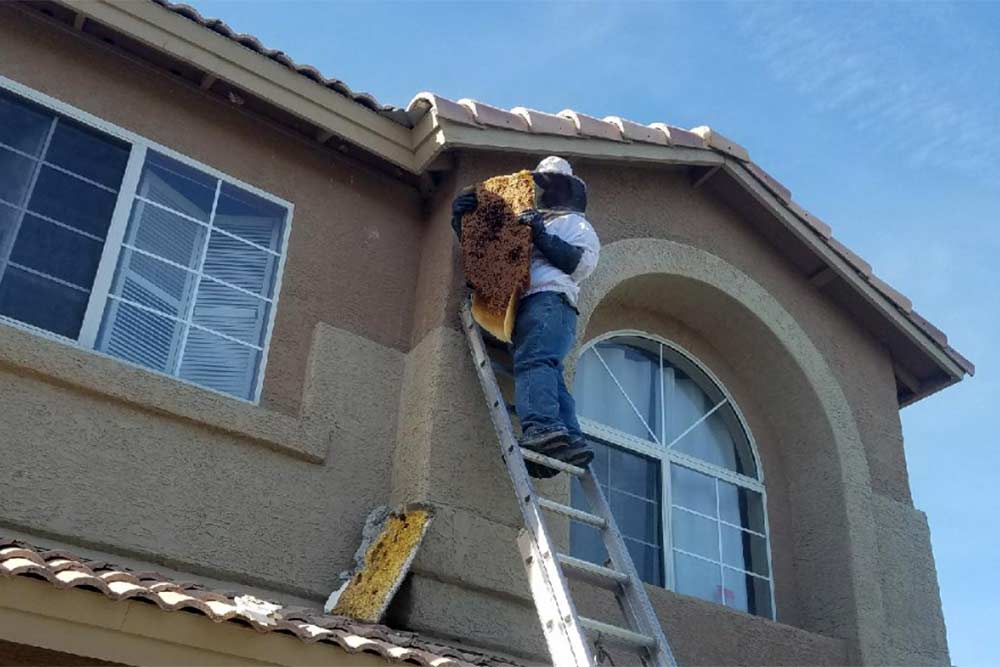
Bee activity is a natural part of the ecosystem, but when colonies establish themselves inside homes or nearby structures, they can create safety and structural concerns. In Metuchen, NJ, where gardens and residential greenery are common, bees often find suitable nesting spaces in walls, roofs, and outdoor structures.
Property owners in Metuchen, NJ, should recognize early warning signs before a colony grows large. Informational resources such as alliancepestservices.com often highlight the importance of early detection to prevent damage, reduce safety risks, and ensure bees are managed responsibly.
Why Bee Infestations Occur in Metuchen, NJ
The environment in Metuchen, NJ, offers several conditions that attract bees looking for nesting locations. Suburban neighborhoods with flowering plants and quiet structural spaces provide ideal habitats.
Common factors that attract bees include:
- Abundant flowering plants and gardens that provide nectar and pollen
- Sheltered structural gaps in roofs, siding, and wall cavities
- Access to water sources such as birdbaths or outdoor fountains
- Low-disturbance areas like attics, sheds, and fence posts
These conditions allow bees to build colonies that may remain unnoticed until the population grows.
Increased Bee Activity Around Specific Areas
One of the most noticeable indicators of a bee infestation in Metuchen, NJ, is an unusual increase in bee activity near certain parts of a property.
Signs to watch for include:
- Bees repeatedly entering and exiting the same hole or crack
- Clusters hovering near rooflines or vents
- Frequent bee traffic around eaves, siding gaps, or chimneys
Normal pollinator activity usually occurs around flowers, but consistent flight patterns toward a structure often suggest a hidden nest.
Buzzing Sounds Inside Walls or Ceilings
Established bee colonies produce constant buzzing sounds. Residents in Metuchen, NJ, sometimes hear these sounds when hives are located inside structural cavities.
Possible indicators include:
- Low humming or buzzing behind interior walls
- Noise coming from attic ceilings or roof spaces
- Vibrations near vent openings or siding panels
The sound may intensify during warmer daytime hours when bees are actively moving within the colony.
Presence of Wax, Honey, or Dark Stains
As a colony expands, honeycomb structures grow inside the nesting area. In some cases, visible residue becomes noticeable around entry points.
Look for:
- Yellow or brown wax buildup around cracks or gaps
- Sticky honey residue appearing near walls or ceilings
- Dark stains or discoloration forming on exterior siding
These signs may indicate a mature hive inside the structure, which can attract other pests if not addressed.
Bees Entering Small Structural Openings
Bees can squeeze through very small openings to access protected nesting sites. Homes in Metuchen, NJ, with aging materials or minor structural wear are especially vulnerable.
Typical entry points include the following:
- Cracks in brick mortar or foundation gaps
- Spaces around utility pipes and cables
- Gaps near the roof shingles or fascia boards
- Openings around window frames and vents
Observing repeated bee entry at the same opening is a strong indicator of a nearby hive.
Temporary Bee Swarms Around the Property
Swarming is a natural behavior that occurs when a colony divides. During spring and early summer in Metuchen, NJ, homeowners may see large clusters of bees gathering outdoors.
Swarming signs include:
- Dense clusters on tree branches or fences
- Groups of bees gathering along roof edges or gutters
- Temporary clusters that remain for several hours or days
While swarms may eventually move on, they can sometimes establish a new colony nearby.
Final Thought
Recognizing bee infestation signs early is essential for maintaining safety and protecting property in Metuchen, NJ. Increased bee activity, buzzing sounds, structural entry points, and honey residue may all indicate a hidden colony. Prompt identification allows homeowners to address the issue responsibly and reduce risks while ensuring bees are handled safely and appropriately.